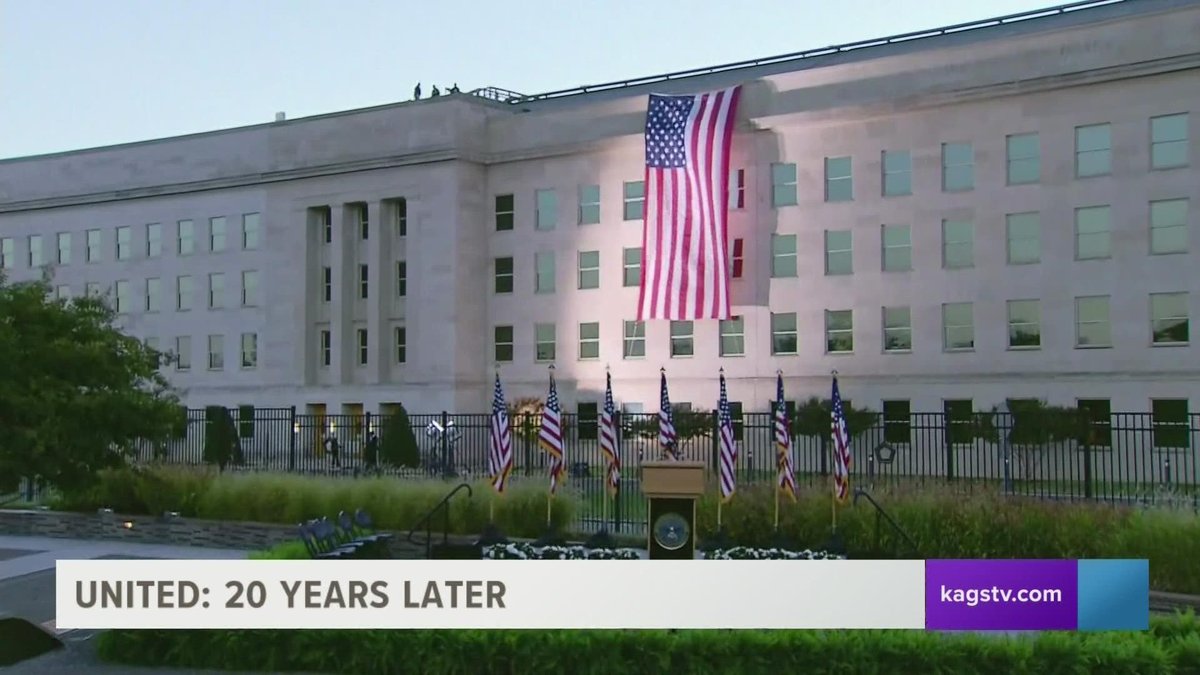
On that clear, devastating Tuesday morning, September 11, 2001, an unimaginable horror unfolded across the United States. While the world watched in disbelief as the Twin Towers fell, another catastrophic blow struck the very heart of American defense: the Pentagon. This isn't just a historical event; it's a living memory, forever etched into the lives of the Victims, Survivors, and First Responders of the Pentagon Attack. Their stories are a testament to loss, resilience, and the enduring human spirit in the face of terror.
We delve into the human impact of that day at the Pentagon, honoring the lives lost, recognizing the incredible fortitude of those who survived, and paying tribute to the selfless bravery of the first responders who rushed into the unknown.
At a Glance: The Pentagon Attack on 9/11
- Date & Time: September 11, 2001, at 9:37 a.m. EDT.
- The Attack: American Airlines Flight 77, hijacked by al-Qaeda terrorists, crashed into the western side of the Pentagon.
- Lives Lost: A total of 184 people perished.
- 59 passengers and crew aboard Flight 77 (plus the five hijackers).
- 125 military and civilian personnel inside the Pentagon building.
- Impact Site: The newly renovated Wedge 1 section of the Pentagon, which ironically had been reinforced and was less occupied that morning due to ongoing renovations.
- Immediate Response: A massive, multi-agency response from military, federal, state, and local first responders.
- Memorial: The Pentagon Memorial, opened on September 11, 2008, offers a permanent tribute to those lost.
- Long-Term Legacy: Ongoing health challenges for responders and survivors, profound impact on national security, and a unified commitment to remembrance.
The Day the Sky Fell on Arlington
Unlike the World Trade Center attacks, which involved two planes hitting iconic towers in full public view, the Pentagon attack unfolded with a swift, brutal precision that initially left many bewildered. American Airlines Flight 77, having taken off from Dulles International Airport, was diverted by hijackers and deliberately crashed into the western façade of the Pentagon, the headquarters of the U.S. Department of Defense. It was 9:37 a.m.
The impact was immediate and catastrophic. The Boeing 757, carrying thousands of gallons of jet fuel, sliced through three of the Pentagon’s five rings, creating an inferno and causing sections of the building to collapse. The sheer force of the impact and the subsequent fire presented an unprecedented challenge, different in scale and context from the urban collapse in New York City. The Pentagon, a symbol of American military might, was under attack on its own soil. You can find more in-depth details about the Pentagon attack here.
Counting the Cost: The 184 Lives Lost
Each number in the grim tally of 184 represents a unique individual with dreams, families, and futures abruptly stolen. These were not just statistics; they were parents, children, spouses, friends, colleagues.
Aboard American Airlines Flight 77: The 59 passengers and crew members (excluding the five hijackers) were civilians and military personnel on routine travel. Their journey to Washington D.C. was tragically interrupted by an act of terror. They included families heading for vacations, business travelers, and individuals like Commander William "Bill" Donovan, heading to a conference, or three schoolchildren with their chaperones.
Inside the Pentagon: The 125 people killed inside the building were a microcosm of America’s defense community. They included:
- Military Personnel: From newly enlisted soldiers to high-ranking officers, representing various branches of the armed forces. They were dedicated to serving their country, working within the very heart of its defense.
- Civilian Employees: Architects, analysts, administrative staff, contractors – the backbone of the Pentagon’s operations. They were ordinary citizens doing their jobs, contributing to national security in their own ways.
- Private Citizens: A few visitors or contractors who happened to be in the wrong place at the wrong time.
The victims’ ages ranged from three years old (Dana Falkenberg, aboard Flight 77, traveling with her parents and sister) to 71. The diversity of those lost underscores the indiscriminate nature of terrorism and the wide-reaching impact it had on countless communities. The Pentagon Memorial stands today as a solemn, beautiful tribute, ensuring that each of these lives is remembered.
Echoes of Survival: Stories from Inside and Out
For those who were inside the Pentagon that morning, the moments after impact were a blur of shock, fire, smoke, and the primal instinct to survive. Survivors describe a cacophony of sirens, screams, and the eerie silence that followed the explosion. Many were trapped, injured, or disoriented, navigating a building that was rapidly collapsing and filling with toxic fumes.
- Quick Decisions and Bravery: Stories emerged of colleagues helping colleagues, pulling injured friends to safety, and guiding others through smoke-filled corridors. The quick thinking of many undoubtedly saved lives. People crawled through rubble, jumped from windows, and desperately sought exits.
- The Psychological Scars: Beyond the physical injuries—burns, broken bones, smoke inhalation—the psychological toll was immense. Many survivors experienced Post-Traumatic Stress Disorder (PTSD), anxiety, and survivor's guilt. The trauma didn't end when they escaped the building; for many, it was just the beginning of a long journey toward healing.
- The Power of Community: In the aftermath, the sense of community within the Pentagon and the broader Washington D.C. area was palpable. Support networks formed, survivors connected with each other, and the resilience of the human spirit shone through the ashes. Understanding these journeys can help us contextualize the broader impact of 9/11.
The Unsung Heroes: First Responders at the Pentagon
As smoke billowed from the Pentagon, a rapid, coordinated, and unprecedented rescue effort began. Firefighters, paramedics, police officers, military personnel, and volunteers from dozens of agencies converged on the scene. The challenges were immense: a burning, partially collapsed structure, the threat of further collapse, and the knowledge that the nation was under attack.
Robert Gray, then an Arlington County Virginia Captain and an expert in rescue operations, played a pivotal role. He led the Technical Rescue Team at the Pentagon, describing the scene as a daunting maze of fire and debris. Gray and his team worked tirelessly in 12-hour night shifts, facing treacherous conditions as they searched for survivors and, with heavy hearts, recovered victims. Their meticulous work, often by hand, was critical in navigating the unstable structure.
"It was just rubble," Gray recounted in an oral history from the 9/11 Memorial Museum’s collection. "Trying to figure out where the people were was really difficult." He emphasized the sheer scale of the operation and the constant danger, from falling debris to the intense heat.
Key aspects of the first response at the Pentagon included:
- Multi-Agency Cooperation: Unlike the WTC, which was primarily an FDNY and NYPD response initially, the Pentagon involved a complex blend of military fire departments, civilian fire and EMS from multiple jurisdictions (Arlington, Fairfax, Alexandria, etc.), FBI, FEMA, and various military units. This seamless, if chaotic, coordination in the face of crisis was remarkable.
- Unique Hazards: Responders faced not only fire and structural collapse but also the secure nature of the Pentagon itself. Access was controlled, and the interior layout, designed for security, became a labyrinth for rescuers. The presence of sensitive materials and classified information added another layer of complexity.
- Search and Rescue: Specialized teams, like Robert Gray’s, utilized heavy equipment, search dogs, and meticulous hand searches. Their goal was twofold: find anyone alive and, tragically, recover the remains of those who had perished. The methodical nature of their work was crucial in distinguishing debris from human remains, a painstaking and emotionally draining task.
- Logistical Challenges: Setting up command posts, medical triage areas, and supply lines around one of the most secure buildings in the world, under attack, required extraordinary logistical prowess.
- Enduring Sacrifice: Many first responders developed long-term health issues, from respiratory illnesses due to smoke and toxins to psychological trauma. Their commitment continued long after the fires were extinguished. The experiences of these brave individuals underscore the vital importance of supporting first responder resilience.
A Sacred Space for Reflection: The Pentagon Memorial
Seven years after the attack, on September 11, 2008, the Pentagon Memorial officially opened. It’s a powerful and profoundly moving tribute, offering solace and a space for remembrance. The memorial is unique in its design, deliberately created to represent each of the 184 victims.
- Design Philosophy: The memorial consists of 184 cantilevered "memorial units" – benches – each bearing the name of a person killed. These benches are arranged along lines representing the flight path of American Airlines Flight 77 and the impact point on the Pentagon.
- Personalized Tributes: Each bench is designed as a living memorial. For those killed on the plane, the bench faces the Pentagon, symbolizing their approach. For those killed inside the Pentagon, the bench faces away from the building, signifying their presence within. Water flows beneath each bench, reflecting light and sound, creating a tranquil yet poignant atmosphere.
- Symbolism of Age: The benches are organized by the victims’ birth years, from 1998 (for three-year-old Dana Falkenberg) to 1930. This chronological arrangement offers a visceral sense of the lives lost, from the youngest to the oldest.
- A Place of Healing: The Pentagon Memorial is more than just a list of names; it’s a landscape of remembrance, inviting visitors to sit, reflect, and connect with the individual stories of loss. It’s a testament to the nation’s promise never to forget. If you're planning a visit, it's worth learning more about how the Pentagon Memorial honors its victims.
Living with the Legacy: Long-Term Impacts and Support
The events of 9/11, including the Pentagon attack, have left an indelible mark on the nation and, most profoundly, on the individuals directly affected. The legacy continues to unfold through various channels:
- Health and Wellness Programs: Thousands of 9/11 responders and survivors, including those from the Pentagon site, continue to suffer from chronic physical and mental health conditions. Programs like the World Trade Center Health Program and the September 11th Victim Compensation Fund provide vital medical care and financial support for those battling conditions linked to exposure to toxic dust, smoke, and traumatic experiences.
- Oral Histories and Documentation: The 9/11 Memorial Museum’s oral history collection is a crucial repository of personal accounts. While many entries focus on the World Trade Center, the collection strives to encompass all aspects of 9/11, including the Pentagon. These interviews preserve firsthand experiences of loss, survival, and response, ensuring that future generations can understand the human dimension of the attacks. These invaluable accounts help to build a comprehensive picture of the stories preserved by the 9/11 Memorial Museum.
- Educational Initiatives: Efforts to educate the public, especially younger generations, about 9/11 are vital. Museums, memorials, and educational programs ensure that the lessons learned, the sacrifices made, and the resilience demonstrated are never forgotten.
- Family and Community Support: The families of the victims and the survivor communities continue to find strength in each other. They advocate for ongoing support, participate in remembrance ceremonies, and ensure that the memory of their loved ones endures. These networks are crucial for families grappling with the long-term effects of 9/11.
Beyond the Headlines: Common Questions About the Pentagon Attack
Navigating the complex narrative of 9/11 often brings up questions. Here are a few common ones related to the Pentagon attack:
Was the Pentagon attack as destructive as the World Trade Center attacks?
While the WTC attacks resulted in a far greater loss of life (nearly 3,000 people), the Pentagon attack was equally devastating in its target and impact. The Pentagon is the symbol of U.S. military power, and its breach was a profound shock to national security. The architectural and structural challenges for responders were also distinct, though equally severe.
How quickly was the Pentagon rebuilt?
Remarkably, the damaged section of the Pentagon, known as "Wedge 1," was rebuilt and reoccupied by September 11, 2002, just one year after the attack. This extraordinary effort, known as the "Phoenix Project," demonstrated American resolve and engineering prowess.
Are there ongoing health issues for Pentagon first responders and survivors?
Yes, absolutely. Similar to the WTC site, responders and survivors at the Pentagon were exposed to hazardous materials, smoke, and significant psychological trauma. Many continue to suffer from chronic respiratory illnesses, cancers, and mental health conditions like PTSD. Federal programs exist to provide long-term medical monitoring and care.
How can I learn more about the individual stories of those affected?
The Pentagon Memorial offers a deeply personal experience. Additionally, the 9/11 Memorial Museum in New York City, while primarily focused on the WTC, includes some materials and oral histories related to the Pentagon. Many books, documentaries, and online archives also share these powerful individual stories. For a broader perspective on the attacks, explore more about Pentagon 9/11.
Remembering and Moving Forward
The Pentagon attack on September 11, 2001, stands as a stark reminder of vulnerability and the immense cost of terrorism. Yet, it also illuminates the extraordinary strength of the human spirit. The victims represent lives cut short, leaving an irreplaceable void. The survivors embody resilience, carrying both visible and invisible scars, yet pressing forward with courage. The first responders exemplify heroism, rushing into peril to save others, embodying the very best of public service.
Twenty years on, the duty to remember remains paramount. It’s not just about commemorating a tragic day, but about understanding its profound impact, honoring those who suffered, and learning from the collective experience. By sharing these stories – the pain, the bravery, the enduring spirit – we ensure that the legacy of those lost and those who rose to meet the challenge will continue to inspire and inform future generations. Their memory serves as a beacon, reminding us to cherish life, foster compassion, and stand united in the face of adversity.