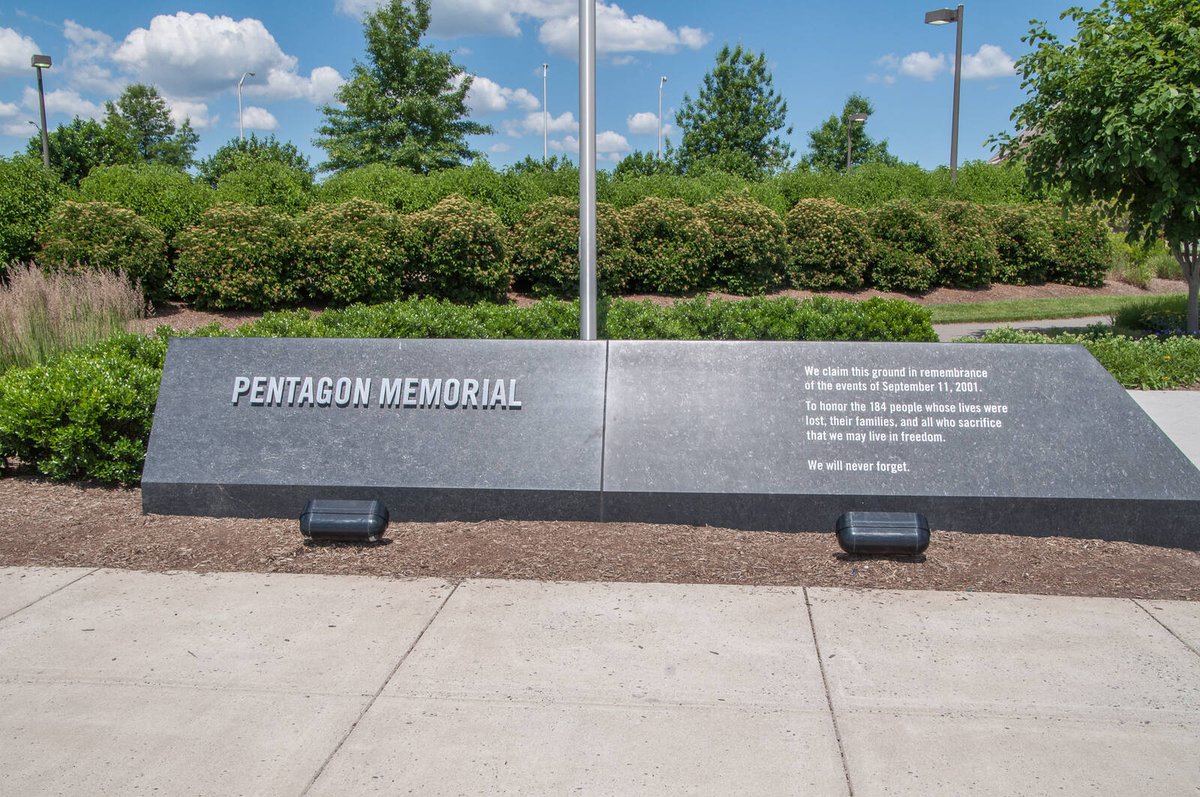
The catastrophic morning of September 11, 2001, etched an indelible mark on American history, touching countless lives and forever changing our perception of security and resilience. In the immediate aftermath, a nation united in grief and resolve, culminating in an extraordinary effort toward Pentagon Reconstruction, Memorial, and Remembrance. This wasn't just about rebuilding a structure; it was about honoring every life lost, ensuring their stories echoed through time, and creating a sacred space for quiet reflection and enduring education.
At a Glance: What You'll Discover
- Rebuilding with Purpose: How the Pentagon rose from the ashes remarkably quickly, symbolizing national resilience.
- The Power of Design: Unpacking the deep symbolism behind the National 9/11 Pentagon Memorial's 184 unique benches and flowing water.
- Stories in Stone and Water: Understanding how each memorial unit honors an individual victim, detailing their name, age, and location during the attack.
- A Crucial Educational Gap: Learning about the ongoing efforts to fund and build the Visitor Education Center (VEC), a vital component for future generations.
- Honoring Annually: Discovering the poignant traditions and ceremonies held each year to keep the memory of 9/11 alive.
- Planning Your Visit: Practical information for experiencing this powerful and reflective memorial.
The Day That Changed Everything: A Brief Look at 9/11 at the Pentagon
On September 11, 2001, at 9:37 a.m., American Airlines Flight 77, hijacked by terrorists, slammed into the western façade of the Pentagon. This horrific act claimed the lives of 184 innocent people: 59 passengers and crew aboard the plane (including the five hijackers), and 125 military and civilian personnel working within the building. The impact ripped through three of the Pentagon’s five rings, collapsing a section of the structure and igniting a massive fire.
The attack on the Pentagon, while often overshadowed by the collapse of the World Trade Center towers, represented a direct assault on the heart of America's military defense. It was a moment of profound shock and immense loss, prompting an immediate, multi-faceted response that encompassed both physical rebuilding and emotional healing. To truly grasp the gravity of the events that day, it's helpful to understand the events of 9/11 at the Pentagon in their full, harrowing detail.
From Rubble to Resilience: The Pentagon's Reconstruction
In the wake of the attack, the damaged section of the Pentagon became known as "Ground Zero." However, the resolve to rebuild was immediate and unwavering. The project, officially named the "Phoenix Project," aimed to reconstruct the damaged area within one year. This ambitious goal was met with extraordinary speed and dedication.
Workers toiled around the clock, salvaging what they could, clearing debris, and meticulously rebuilding the five-story structure. Less than a year after the attack, on September 11, 2002, the refurbished section of the Pentagon, now known as the "Phoenix," was rededicated. This remarkable feat of engineering and human determination stood as a powerful symbol of American resilience, demonstrating that even in the face of such devastation, the nation would not be broken.
A Sacred Landscape: Designing the Pentagon Memorial
While the physical structure of the Pentagon was swiftly reconstructed, the need for a place of eternal remembrance was equally critical. The National 9/11 Pentagon Memorial stands as a poignant and permanent outdoor tribute to the 184 victims. Opened on September 11, 2008, seven years after the attack, this memorial invites visitors into a space designed for quiet contemplation and deep respect.
The memorial, a 1.93-acre (7,800 m2) landscaped plot, was envisioned by architects Julie Beckman and Keith Kaseman of Kaseman Beckman Advanced Strategies, with critical engineering support from Buro Happold and Delta Fountains. Their design masterfully captures the precise moment of impact at 9:37 a.m., freezing it in time to honor those whose lives became inextricably linked.
The Profound Symbolism of 184 Memorial Units
At the heart of the memorial are 184 unique Memorial Units, each representing one of the victims. These units are not mere markers; they are illuminated benches, each a singular piece of art and remembrance, meticulously arranged to convey the human impact of the attack.
- Age-Ordered Arrangement: The benches are organized by the victims’ ages, creating a deeply human timeline. The youngest victim, three-year-old Dana Falkenberg, who was aboard American Airlines Flight 77 with her parents and sister, is represented at one end. The line extends to the oldest, John D. Yamnicky, 71, also a passenger on Flight 77. This age-based layout personalizes the tragedy, reminding us of lives cut short across generations.
- Direction of Remembrance: Each polished steel bench is engraved with a victim's name, but their orientation adds another layer of meaning. Benches dedicated to victims who were inside the Pentagon face the building's south façade – the very point of impact. Conversely, benches for those who perished aboard American Airlines Flight 77 face skyward, aligned along the plane’s trajectory, symbolizing their final journey.
- Flowing Water and Family Ties: Beneath each memorial bench flows a shallow, lighted pool of water. This tranquil element provides a constant, gentle sound, a calming presence amidst the somber reflection. For families who lost multiple loved ones, their names are touchingly listed in the reflecting pool under their individual benches, reinforcing the personal connections shattered on that day.
- The Unifying Wall and Trees: Along the memorial’s edge, a wall rises gradually, starting at 3 inches (corresponding to the youngest victim's age) and reaching 71 inches (for the oldest). This subtle yet powerful architectural feature unites all the victims in a continuous line. The grounds are further softened by approximately 85 crepe myrtle trees, offering shade, beauty, and a sense of enduring growth. The design embodies the nuances of national memorial design, balancing raw emotion with serene reflection.
More Than Stone and Water: What Makes the Memorial Unique
The Pentagon Memorial isn't just a place to visit; it's an experience designed to evoke introspection and understanding. Its thoughtful design and accessibility ensure its role as a living tribute for generations to come.
Always Open, Always Accessible
Unlike many historical sites with limited hours, the Pentagon Memorial is open seven days a week, year-round. This constant accessibility underscores its mission as an ever-present reminder of the lives lost and the enduring spirit of the nation. It stands as a beacon for anyone seeking a moment of quiet reflection, regardless of when they choose to visit.
Photography Permitted: Sharing the Experience
In a rare move for a secure government facility, public photography is not only permitted but encouraged within the memorial grounds. This policy acknowledges the human need to capture and share moments of significance, allowing visitors to document their experience and communicate the memorial’s powerful message to others. It’s a testament to the designers' and planners' trust in visitors to maintain a respectful atmosphere.
A Growing Number of Pilgrims
From its opening, the memorial has drawn significant numbers of visitors. By August 2011, it was already receiving an annual average of 225,000 to 250,000 visitors. Projections indicate that this number could swell to as many as 1 million visitors annually by 2025, a clear indicator of the memorial's profound impact and growing importance as a site of national pilgrimage. The journey to build such a significant site wasn't without its challenges; ongoing memorial fundraising efforts were crucial in bringing the vision to life, securing $13.8 million in funding by May 2007, including notable contributions from American Forests and the government of Taiwan.
The Missing Piece: Building the Visitor Education Center (VEC)
Despite its powerful design and significant visitation, the Pentagon Memorial is currently the only one of the three 9/11 attack sites (New York City, Shanksville, PA, and the Pentagon) without a dedicated education center. This crucial gap in providing comprehensive contextual information and victim stories is actively being addressed.
Why a VEC is Crucial
A Visitor Education Center (VEC) would transform the visitor experience from primarily reflective to deeply informative and educational. It would offer a space for interactive exhibits, allowing people to learn more about each victim's life, the broader context of the 9/11 attacks, and their lasting impact on America. For many, especially younger generations who have no direct memory of 9/11, such a center is vital for understanding the historical significance and human cost of that day. It underlines the critical role of a Visitor Education Center in preserving history.
The Vision for 2028
The Pentagon Memorial Fund is spearheading the effort to build the VEC near Arlington National Cemetery, with an ambitious target for completion by 2028. This center aims to complement the outdoor memorial, providing a warm, indoor space where stories can be told, questions answered, and the lessons of 9/11 can be imparted through engaging programming.
The Road Ahead: Funding the Future
Bringing the VEC to fruition requires substantial resources. While $16 million in private funding has been secured, an additional $70 million in federal funding is still needed to make this vital educational component a reality. This ongoing fundraising effort highlights the continued commitment required to fully realize the vision of comprehensive remembrance and education at the Pentagon site. Supporting this initiative is not just about building a building; it's about investing in the future of national memory.
Keeping the Memory Alive: Annual Commemorations and Rituals
Each year, as September 11th approaches, the Pentagon and its memorial become central to a series of poignant ceremonies and traditions designed to honor the victims and reinforce the nation's resolve. These annual events are crucial components of the profound principles of 9/11 remembrance.
The Flag and Blue Lights
A powerful visual tradition involves hanging an American flag on the specific section of the Pentagon that was struck by Flight 77. At night, this section is illuminated with solemn blue lights, creating a beacon of remembrance visible across the Potomac. This simple yet profound gesture serves as a constant, visible tribute throughout the anniversary period.
Public Events for Collective Healing
Beyond the visual tributes, several public events foster a sense of community and shared remembrance:
- America Supports You National Freedom Walk: This event invites participants to walk in solidarity, symbolizing unity and freedom, and often culminates near the Pentagon grounds.
- Arlington Police/Fire/Sheriff 5K Race: This race honors the first responders who bravely ran towards danger on 9/11, celebrating their sacrifice and dedication to public service.
These events provide avenues for public participation, allowing individuals to actively engage in the act of remembrance and contribute to healing through community and shared remembrance.
Private Services for Those Closest
For those most directly affected by the tragedy, more intimate services are held. Memorial services take place at the Pentagon for employees, offering a space for colleagues to grieve and reflect together. A smaller, deeply personal service is also held at the memorial site specifically for the families and friends of the victims, providing a sanctuary for private remembrance and shared solace. These moments ensure that personal grief is acknowledged and supported, even amidst national mourning.
Your Visit to the Pentagon Memorial: Practical Tips and Etiquette
Visiting the Pentagon Memorial is a deeply moving experience that offers a unique opportunity for reflection. To ensure a respectful and meaningful visit, consider these practical tips:
- Location: The memorial is located just southwest of the Pentagon in Arlington County, Virginia. It's accessible via public transportation (the Pentagon Metro station is nearby) or car, though parking near the Pentagon can be challenging.
- Best Time to Visit: While open year-round, visiting during off-peak hours (earlier in the morning or later in the afternoon) can offer a more tranquil and personal experience. September 11th itself sees heightened activity and larger crowds due to anniversary events.
- Respectful Conduct: The memorial is a sacred site. Visitors are encouraged to maintain a quiet demeanor, speak in hushed tones, and avoid disruptive behavior. While photography is allowed, be mindful of others seeking moments of private contemplation.
- Accessibility: The memorial is designed to be fully accessible, with smooth pathways and ample space for mobility devices.
- What to Expect: Prepare for a powerful emotional experience. Allow yourself time to walk among the benches, read the names, and reflect on the profound loss and resilience represented there. There are no guides or formal tours at the memorial itself, encouraging individual reflection.
Moving Forward with Purpose: Honoring Their Legacy
The Pentagon Reconstruction, Memorial, and Remembrance efforts stand as a testament to human resilience and the profound need to honor those lost to tragedy. The rebuilt Pentagon symbolizes strength, the Memorial provides a sacred space for personal reflection, and the ongoing push for a Visitor Education Center aims to ensure that the stories of the 184 victims and the lessons of 9/11 are never forgotten.
Visiting this site is more than just a trip; it's an act of remembrance, a commitment to learning, and a profound acknowledgment of the lives intertwined on that tragic morning. By understanding and supporting these initiatives, we help ensure that the memory of September 11th continues to inspire a spirit of unity, vigilance, and hope for future generations.