The National 9/11 Pentagon Memorial stands as a profound testament to the 184 lives tragically lost at the Pentagon and on American Airlines Flight 77 during the September 11, 2001, attacks. This sacred outdoor space, nestled southwest of the Pentagon in Arlington County, Virginia, has offered a place for reflection and remembrance since its dedication on September 11, 2008. Yet, despite its powerful presence, a crucial element is still missing from its mission to educate future generations: a dedicated Visitor Education Center (VEC).
Today, the Pentagon Memorial Fund is actively working to bridge this gap, seeking vital funding to complete a VEC by 2028. This center is not just a building; it's a commitment to preserving history, honoring human stories, and ensuring that the lessons of 9/11 resonate for decades to come.
A Sacred Landscape of Remembrance and Reflection
The permanent Pentagon Memorial, designed by Julie Beckman and Keith Kaseman, is a masterwork of contemplative design. From 1,126 proposals, their vision created a landscape where each element speaks to the human cost of that day. Here, 184 illuminated benches, each engraved with a victim's name, are arranged by age, from 3-year-old Dana Falkenberg to 71-year-old John Yamnicky Sr.
The orientation of each bench offers a poignant distinction: those for Pentagon victims face the building's impact point, while those for plane victims face the sky along Flight 77's trajectory. Beneath each bench, a shallow, lighted pool of flowing water creates a sense of serenity and continuity, with family names listed for multiple victims. This unique design ensures that every visitor can connect with the individual lives lost, understanding the scale of the tragedy through deeply personal details. To fully appreciate the intricate layers of design and the various ways the Pentagon has chosen to honor its fallen, you might find immense value in exploring Explore Pentagons complete story. Discover Pentagon.
The Urgent Need for a Visitor Education Center
Unlike the other two 9/11 attack sites, the Pentagon Memorial lacks an indoor facility to provide historical context and educational programming. This gap means that while visitors can experience the profound outdoor memorial, they miss the opportunity for deeper engagement with the stories of the victims, the attack's impact, and its broader historical significance. The proposed VEC, designed by the PRD group, aims to fill this void with interactive exhibits and educational resources, bringing the human stories of 9/11 to life for students and the public alike.
The Pentagon Memorial Fund has secured a site near Arlington National Cemetery and has already raised an impressive $16 million in private funding. However, an additional $70 million in federal funding is required to bring this essential educational resource to fruition. Investing in this center is investing in the future of our collective memory, ensuring that the next generation understands the events and consequences of September 11, 2001.
Understanding the Attack: From Impact to Aftermath
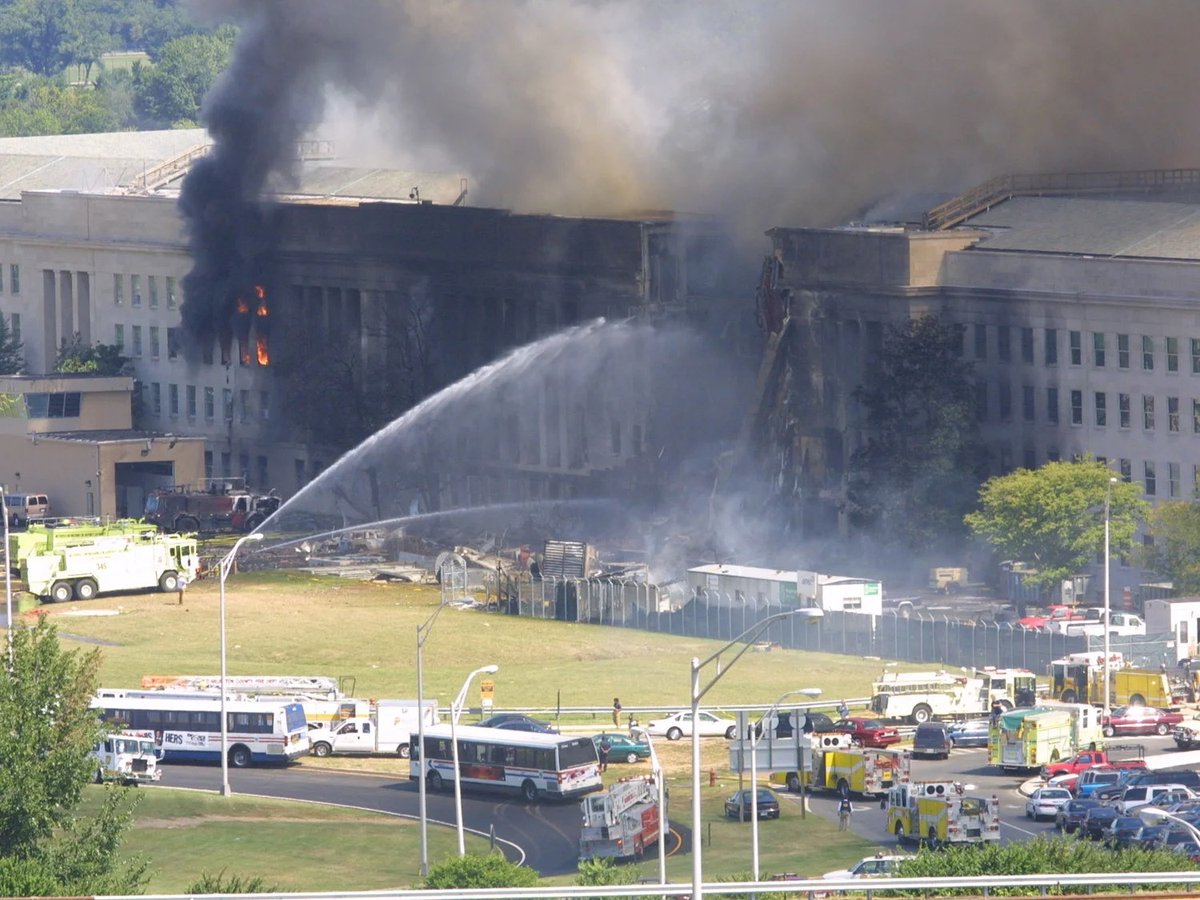
The events of September 11, 2001, at the Pentagon were swift and devastating. American Airlines Flight 77 crashed into the building's west side, triggering a massive fire and structural collapse. The immediate response from military personnel, first responders, and ordinary citizens was nothing short of heroic, transforming a scene of terror into one of profound courage and sacrifice.
To gain a comprehensive understanding of that horrific day, from the precise timeline of events to the specific details of the impact and immediate aftermath, it's crucial to delve into The Attack on the Pentagon. This pillar offers an exhaustive look at the chronology and specifics surrounding the unprecedented assault on the heart of America's defense.
Honoring Lives: Victims, Survivors, and First Responders
Beyond the numbers and statistics, 9/11 at the Pentagon was about individuals – 184 lives, each with a unique story, dreams, and family. The memorial beautifully captures this by celebrating their individuality through its age-ordered benches. From the youngest victim, three-year-old Dana Falkenberg, who was aboard Flight 77 with her parents and sister, to the oldest, John Yamnicky Sr., a 71-year-old defense contractor, the memorial serves as a powerful reminder of the diverse lives lost.
The impact also extended to the countless survivors and the selfless first responders who rushed into the burning building, risking everything to save others. Their stories of bravery, resilience, and enduring loss are a critical part of the 9/11 narrative. To truly connect with the personal narratives and understand the profound human cost and incredible bravery witnessed that day, explore the dedicated stories of Victims, Survivors, and First Responders.
The Official Record and Persistent Questions
Following the attacks, extensive investigations were launched to understand precisely what happened, who was responsible, and how future attacks could be prevented. These inquiries, including the comprehensive findings of the 9/11 Commission, provided a detailed account of the events leading up to and during the attacks, including the specific sequence of events at the Pentagon.
For those seeking to understand the definitive findings and analysis from authoritative bodies, a deep dive into Official Pentagon 9/11 reports offers access to the validated information. While the official accounts are robust, the sheer scale and shock of 9/11 led to various alternative theories. It's important for historical understanding to acknowledge these discussions, and if you're interested in examining these other narratives, you can learn more about the Conspiracy Theories Surrounding the Pentagon.
A Future Forged in Remembrance and Education
The journey to adequately commemorate and educate about the Pentagon attack has been ongoing. Prior to the permanent memorial, temporary tributes sprang up, like the impromptu memorial on a hill at the Navy Annex. Formal efforts included the Victims of Terrorist Attack on the Pentagon Memorial, dedicated at Arlington National Cemetery in 2002, a pentagonal granite marker honoring victims and containing remains. Inside the Pentagon, the America's Heroes Memorial also opened in September 2002 at the Flight 77 crash site, featuring biographies, medals, and an adjacent chapel.
The current permanent memorial, which began construction in 2006 and opened in 2008 with President George W. Bush calling it "an everlasting tribute," receives hundreds of thousands of visitors annually. By 2025, visitation is projected to reach one million. These visitors, alongside those participating in annual remembrance events—from the blue lighting of the Pentagon to the "Tribute of Lights" and various community runs—demonstrate the enduring public desire to remember. The proposed VEC will amplify this engagement, providing a structured, empathetic, and factual educational experience that complements the profound outdoor memorial. Securing the necessary federal funding will ensure that the full story of the Pentagon on 9/11 is preserved and taught, not just remembered, for generations to come.