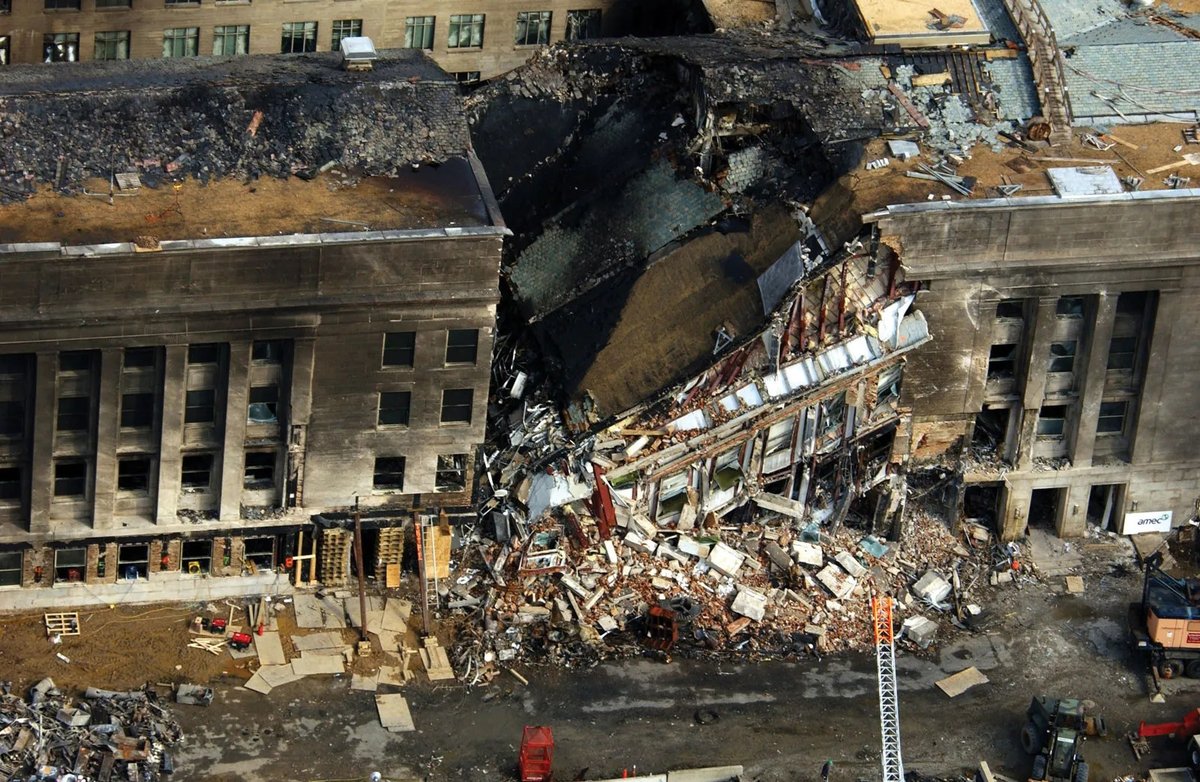
The morning of September 11, 2001, began like any other Tuesday for millions, yet by day's end, the world had irrevocably changed. As the twin towers of the World Trade Center fell in New York City and United Airlines Flight 93 crashed in a Pennsylvania field, another strike hit the very heart of American military power: The Pentagon on September 11th the Pentagon was struck by American Airlines Flight 77. This attack, a direct assault on the nation's defense headquarters, cemented the gravity of the day's events, initiating a profound reevaluation of national security, foreign policy, and indeed, American identity. The Long-Term Impact and Policy Changes Post-Pentagon 9/11 didn't merely alter government operations; they reshaped the fundamental fabric of daily life, global engagement, and how Americans perceive their place in a suddenly more vulnerable world.
Two decades later, the echoes of that day continue to reverberate, influencing decisions from international alliances to the balance between liberty and security at home. For those old enough to remember, 9/11 remains a vivid, painful memory; for a growing generation, it’s a historical event whose consequences they live with, often without direct recollection of the original trauma.
At a Glance: How 9/11 Transformed America
- A New Era of Warfare: Sparked the "War on Terror," leading to two decades of military involvement in Afghanistan and Iraq, with significant human and financial costs.
- Homeland Security Overhaul: Created new government agencies and enhanced surveillance powers, sparking ongoing debates about civil liberties.
- Shifting Public Opinion: Initial national unity and patriotism gave way to declining trust in government and evolving, often partisan, views on foreign policy and terrorism.
- Economic Burden: Trillions of dollars spent on wars and security measures, diverting resources and impacting national debt.
- Social & Cultural Divides: Led to increased suspicion and discrimination against Muslim Americans, and a growing partisan gap in how Islam is perceived.
- Enduring Threat Perception: While the immediate concern about terrorism has somewhat waned, the perception of threats to U.S. security, particularly from resurgent extremist groups, remains high.
The Unforgettable Scar: Revisiting 9/11's Immediate Wake
In the immediate aftermath of 9/11, a palpable sense of shock, grief, and vulnerability gripped the nation. The attacks, which claimed nearly 3,000 lives across three sites, left an indelible mark on the American psyche. Days after the assaults, 71% of adults reported feeling depressed, nearly half struggled with concentration, and a third found sleep elusive. This wasn't just a collective trauma; it was a deeply personal one, felt acutely in New York and Washington D.C., where a year later, over 60% of residents felt their lives had fundamentally changed, compared to just under half nationwide.
Yet, this profound sorrow was swiftly accompanied by an overwhelming surge of national unity and patriotism. American flags flew from nearly 80% of homes and businesses in October 2001. Public trust in the federal government soared to 60%, a level unseen for three decades before or since, and President George W. Bush’s approval ratings rocketed by 35 points. Many Americans also turned to religion for solace, believing its influence was on the rise. This initial, intense period of solidarity, however, proved to be fleeting, laying the groundwork for many of the policy shifts and societal changes that would follow, some of which continue to fracture the nation today. This intense emotional backdrop profoundly shaped the public's initial receptivity to unprecedented policy changes.
America's New War: The Shifting Sands of Foreign Policy
The "War on Terror," declared in the days following 9/11, fundamentally reoriented American foreign policy, pivoting from post-Cold War engagement to a relentless pursuit of terrorist networks. This shift manifested most dramatically in military interventions, the longest of which just concluded, leaving a complex legacy.
Afghanistan: The Longest War's Legacy
Less than a month after 9/11, the U.S. launched its military mission in Afghanistan, targeting al-Qaeda and the Taliban, which harbored the terrorist group. Initially, public support for military action, even with thousands of potential casualties, was overwhelming, with 77% favoring such a response. Americans expected the dismantling of terrorist networks to take months or years, a stark underestimation of the two-decade commitment that lay ahead.
For several years, support for the war remained robust, peaking at 83% approval in early 2002. However, the initial fervor gradually waned as the conflict dragged on, costing thousands of lives—including over 2,000 American service members—and trillions of dollars. By 2011, after the death of Osama bin Laden, a majority for the first time expressed a desire to bring troops home as soon as possible. The final withdrawal in August 2021, nearly 20 years after its inception, brought mixed reactions. While a majority (54%) now endorses the decision to withdraw, they largely criticize the Biden administration's handling of the process. A recent Pew Research Center survey revealed that 69% of U.S. adults believe the United States largely failed to achieve its goals in Afghanistan, a sobering assessment of the longest war in American history. The intervention, intended to bring stability and eliminate terrorist threats, instead left behind a complex humanitarian crisis and a resurgent Taliban, forcing a re-evaluation of the efficacy of nation-building through military might.
The Iraq War: A Detour with Lasting Repercussions
The decision to invade Iraq in 2003, framed by the Bush administration as a crucial front in the War on Terror, further broadened the scope of U.S. military engagement. This move garnered significant initial public backing, with 71% supporting the war in April 2003. However, this support was built, in part, on a crucial misconception: 66% of Americans erroneously believed in October 2002 that Saddam Hussein had assisted the 9/11 terrorists, a claim for which no credible evidence existed.
As the war progressed, public opinion shifted dramatically. The absence of weapons of mass destruction, the escalating insurgency, and the growing casualties eroded confidence. By 2018, only 43% of Americans believed the Iraq War was the right decision, and a majority (53%) concluded that the U.S. ultimately failed to achieve its goals there. The Iraq War remains a potent example of how post-9/11 fear and a desire for swift retribution could lead to costly, protracted conflicts with unintended and far-reaching consequences, diverting resources and attention from the original theater of conflict.
Redefining "Threat": From Al-Qaeda to Global Instability
The immediate post-9/11 threat landscape was dominated by al-Qaeda and similar transnational terrorist groups. "Defending the country from future terrorist attacks" quickly became a top policy priority, cited by 83% of Americans in January 2002. For years, the public's concern about another attack remained steady, peaking just before the Iraq War in 2003.
However, the definition of "threat" has evolved. While majorities of both parties consistently prioritized terrorism, a growing partisan gap emerged, with Republicans more likely to emphasize it. More recently, as other pressing issues like the economy, COVID-19, and racial justice have taken center stage, concerns about terrorism as a major national problem have declined, from 53% in 2016 to 25% last year. Yet, this doesn't signify a complete dismissal of the danger. The Taliban's swift takeover of Afghanistan in August 2021 served as a stark reminder of persistent global instability, with 89% of Americans viewing it as a threat to U.S. security, 46% considering it a major one. This illustrates a nuanced shift: while the immediacy of the "terrorist on every corner" fear may have receded, a broader understanding of interconnected global security challenges has taken its place.
Homeland Security: A New Architecture for a New Era
The attacks on 9/11 laid bare critical vulnerabilities in America's domestic security apparatus. The immediate policy response was a sweeping overhaul, leading to the creation of new government entities and the expansion of surveillance capabilities, fundamentally altering the balance between security and civil liberties.
The Rise of the Surveillance State
In the days and weeks after 9/11, the public was surprisingly open to various measures aimed at preventing future attacks. Proposals for national ID cards, CIA contracting criminals, and even CIA assassinations overseas found significant public favor. The prevailing sentiment was a desperate need for enhanced protection, and many Americans believed that the government had not gone far enough.
This openness, however, had its limits. The public drew a clear line when it came to personal privacy. A significant majority (77%) opposed government monitoring of their own emails and phone calls, and 57% rejected the idea of internment camps for legal immigrants. Yet, the overall policy shift was clear: the balance between civil liberties and national security had tilted. In late 2001 and early 2002, 55% of Americans agreed that citizens must give up some civil liberties to curb terrorism, a stark contrast to the 29% who held that view in 1997. This willingness to cede personal freedoms for perceived safety became a defining characteristic of the post-9/11 era.
Balancing Act: Civil Liberties and the Cost of Safety
For much of the two decades following 9/11, public sentiment leaned towards concern that the government had not gone far enough in protecting the nation, rather than going too far in restricting civil liberties. This sentiment often fueled legislative actions like the Patriot Act, which significantly expanded government surveillance powers. This shift was not merely theoretical; it manifested in real-world policy decisions, some of which sparked international controversy.
For example, a 2015 survey revealed that the U.S. was one of only 12 nations where a majority of its citizens justified the use of torture to gain information from terrorist suspects. This illustrates the depth of the public's desire for security, even when it pushed against established ethical and legal boundaries. The ongoing debate over mass surveillance programs, the collection of metadata, and the use of enhanced interrogation techniques are all direct descendants of this post-9/11 reordering of priorities. The challenge remains how to safeguard the nation without eroding the very freedoms it purports to protect. Each new technological advancement or perceived threat rekindles this foundational tension, ensuring that this policy area remains a dynamic and often contentious landscape.
The Social Fabric: How 9/11 Reshaped American Identity
Beyond policy and war, 9/11 profoundly impacted the social and cultural landscape of America, revealing both a capacity for unity and, in time, growing divisions. The initial surge of patriotism, while powerful, proved to be fragile, and views on specific communities underwent significant and troubling transformations.
A Fractured Unity: Patriotism and its Evolution
The initial "9/11 effect" on public opinion was characterized by an overwhelming sense of national unity. Flags were ubiquitous, trust in government soared, and approval ratings for President Bush reached unprecedented heights. This period represented a powerful, if temporary, coming together of a nation under duress. People reported feeling more patriotic, a sentiment that lasted for about a year after the attacks.
However, this elevated sense of unity and trust did not endure. Public trust in the federal government steadily declined throughout the 2000s, reaching 31% by 2005 and plummeting further to 24% by April 2021. President Bush’s approval ratings, while initially bolstered, never again reached their post-9/11 peak. This decline suggests that while the initial shock galvanized the nation, the subsequent policy decisions, prolonged conflicts, and domestic political discourse ultimately eroded the very trust and unity that had emerged from the tragedy. The collective trauma gave way to a more fragmented national experience, marked by increasing skepticism towards institutions.
Bridging Divides, Or Widening Them?: Views on Muslim Americans
Perhaps one of the most painful and enduring social impacts of 9/11 was its effect on the perception of Muslim Americans. In November 2001, in a remarkable display of initial solidarity and rejection of collective blame, 59% of U.S. adults held a favorable view of Muslim Americans. This moment offered a glimpse of a nation striving to differentiate between extremists and an entire religious community.
Tragically, this unity was short-lived. Less than a year later, 36% of Americans reported growing suspicious of people of Middle Eastern descent. Over time, the partisan divide on this issue widened dramatically. In 2002, 32% of Republicans associated Islam with violence; by August 2021, that figure had more than doubled to 72%. While Democrats were less likely to hold this view (32% in the latest survey), the overall trend painted a picture of increasing suspicion and prejudice. This partisan split extended to other areas, with 68% of Republicans (versus 37% of Democrats) believing in a 2017 survey that "Islam is not part of mainstream American society." The consequences for Muslim Americans have been tangible: surveys from 2007-2017 consistently indicate increasing reports of personal discrimination, highlighting how a national tragedy was unfortunately leveraged to deepen societal divisions and foster prejudice against a minority group.
Economic Echoes: The Trillion-Dollar Tally
The human cost of 9/11 and the subsequent wars is immeasurable, but the financial toll also paints a stark picture of the long-term impact. The military missions in Afghanistan and Iraq, along with enhanced homeland security measures, have collectively cost trillions of dollars. This monumental expenditure has had profound effects on the national budget, contributing to increased national debt and diverting resources from other domestic priorities.
Consider the Afghanistan war alone: it cost thousands of lives and trillions of dollars, with many Americans now believing the U.S. mostly failed to achieve its goals there. These economic resources, which could have been invested in infrastructure, education, healthcare, or climate initiatives, were instead channeled into prolonged military engagements and a vast homeland security apparatus. This economic strain represents a hidden, yet pervasive, aspect of the post-9/11 legacy, influencing fiscal policy and national priorities for decades to come, with economists continuing to debate the true opportunity cost of these expenditures.
The Lingering Shadow: Enduring Priorities and Future Challenges
Two decades on, 9/11 continues to cast a long shadow over American policy and public consciousness. While some priorities have shifted and initial emotional responses have evolved, the underlying concerns about national security and the nature of threats persist, albeit in new forms.
"Defending the country from future terrorist attacks" has remained a top policy priority for over two decades, consistently cited by a large majority of Americans since 2002. This enduring concern highlights a fundamental shift in the American mindset: the recognition that vulnerability is a permanent fixture in a globalized world. However, the type of threat perceived and the urgency of that perception have fluctuated. In recent years, as new crises emerged, concerns about terrorism as a singular "major national problem" declined, giving way to issues like the economy, public health crises such as COVID-19, and systemic racism. This indicates a broadened understanding of national security, encompassing not just external, violent threats, but also internal and systemic vulnerabilities.
Yet, the recent events in Afghanistan, culminating in the Taliban's rapid takeover, served as a potent reminder that the specter of international terrorism and instability remains very real. An overwhelming 89% of Americans viewed the Taliban's resurgence as a threat to U.S. security, with nearly half considering it a major one. This signifies an uncertain new chapter in the post-9/11 era, where the immediate threat of a catastrophic attack might be lower, but the complex interplay of geopolitical instability, resurgent extremism, and evolving domestic concerns continues to shape policy and public priorities. The challenge now lies in navigating this complex landscape, balancing lessons learned from the past with the demands of an ever-changing future, ensuring that the country remains vigilant without succumbing to perpetual fear.
Charting a Course Forward: Lessons from Two Decades
The Long-Term Impact and Policy Changes Post-Pentagon 9/11 are not merely historical footnotes; they are living legacies that continue to shape how America engages with the world and protects its citizens at home. From the tragic loss of life to the transformation of government agencies, the reorientation of foreign policy, and the shifting dynamics of civil liberties, the ripple effects of that day are still felt deeply.
As a nation, we’ve learned that unity can emerge from tragedy, but it requires diligent nurturing to endure. We've seen the immense human and financial costs of prolonged military interventions and the complex challenges of defining success in asymmetric warfare. The ongoing debate between security and individual freedoms remains as relevant as ever, demanding thoughtful consideration rather than reflexive reactions. And perhaps most importantly, we've grappled with the difficult truth that fear, if unchecked, can lead to both profound divisions at home and misguided policies abroad.
Moving forward, the imperative is clear: to draw upon the painful lessons of the past two decades without being perpetually bound by them. This means fostering critical thinking about perceived threats, holding leaders accountable for policy decisions, and actively working to rebuild trust within communities and institutions. It requires a nuanced understanding of global complexities, a commitment to civil liberties, and a recognition that true security stems not just from military might, but from a resilient, unified, and just society. The journey of understanding and navigating this post-9/11 world is far from over, and it demands our continuous, collective engagement.